Most "Ahrefs vs Semrush" articles are written for agencies with ten clients and a budget line called "tools". If you run one blog, that comparison answers the wrong question. You don't need the tool with the biggest database. You need the one whose cheapest plan lets you research, publish and track a few articles a week without running out of allowance halfway through the month.
So we judged both on a blogger budget. Every price and limit below was read on Ahrefs' and Semrush's own pricing pages and help docs on 3 November 2026.
$1,548
What one year of Ahrefs Lite costs on monthly billing. Semrush's entry SEO plan is $1,668 on the same basis. That's the real question for a blogger: is either one worth that much yet?
Disclosure: This article contains no affiliate links. Bloggersideas doesn't earn anything if you buy either tool.
Quick answer
Quick verdict: For a solo blogger, Semrush's SEO plan ($139/mo) is the better first paid tool, because its limits are counted per day (3,000 reports) rather than per month, it tracks rankings daily, and you can try it free for seven days. Ahrefs is the better tool for link research and content discovery, but the plan where it really shines (Standard, $249/mo) costs nearly twice what most blogs earn in year one. And if your blog makes under a few hundred dollars a month, you probably shouldn't buy either yet.
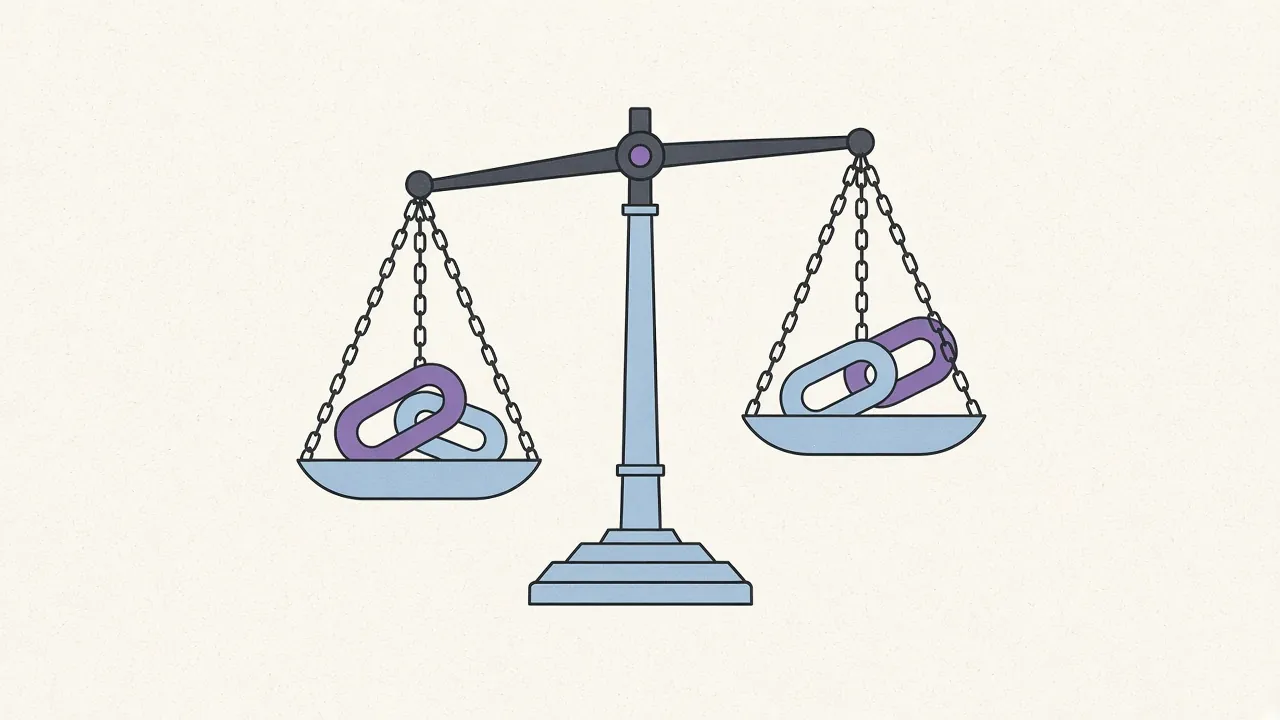
Here's the catch most comparisons skip: on the entry plans, these tools don't meter you the same way. Ahrefs Lite gives you 1,000 credits a month, and a credit is spent every time you open a report, apply a filter or ask for more data. Semrush's SEO plan gives you 3,000 reports per day. Those units aren't identical, but the feel is very different. One is a monthly allowance you have to ration. The other resets every morning.
How we compared them
We have not tested these plans hands-on yet, so this comparison is based on public pricing, official documentation and plan limits, all read on 3 November 2026. When we do run both through our seven-task SEO testing protocol, we'll update this page with the results and the date.
We judged each tool on four things a blogger actually feels:
- What the cheapest useful plan costs, monthly and over a year
- How the allowance is metered, and whether a normal week of research fits inside it
- Rank tracking: how many keywords, and how often they update
- The free route: what you get before paying anything
Ahrefs vs Semrush pricing on a blogger budget
Both companies have moved their plans around in 2026, so older comparisons are now wrong about names and prices. Here's what the entry tiers look like today.
Entry-level SEO plans, monthly billing (USD per month)
Ahrefs: four price points that matter to bloggers
- Ahrefs Free: $0. For websites you verify you own, you get Site Explorer, Site Audit (5,000 crawl credits per project per month) and Web Analytics, with up to 1,000 keywords and 1,000 backlinks shown at once. You can't look at competitors.
- Starter: $29/mo. 200 credits a month and one unverified project (one competitor or outside site), with Keywords Explorer and Rank Tracker included. It can only be paid monthly, and you can't buy extra credits or users on it.
- Lite: $129/mo. 1,000 credits a month, 750 tracked keywords updated weekly, six months of history, 2,500 rows per report.
- Standard: $249/mo. Credits become unlimited for each user, and you unlock Content Explorer, Batch Analysis, broken backlinks and two years of history.
Ahrefs is blunt about two things on its own pricing page: "We never run discounts", and "Ahrefs does not issue refunds in general." Monthly subscribers can ask for a refund only if they haven't used the service. There's no free trial of the paid plans.
Semrush: four price points that matter to bloggers
- Free: $0, no card. One project, 10 analytics requests a day, 10 tracked keywords.
- SEO: $139/mo, or $117.33/mo billed annually. 5 projects, 500 keywords tracked daily, 3,000 reports a day, 10,000 results per report.
- Starter: $199/mo. The same SEO limits as the SEO plan, plus AI search visibility tracking (50 prompts a day) and an AI-ready Site Audit.
- Pro+: $299/mo. 15 projects, 1,500 tracked keywords, historical data, content optimisation and keyword cannibalisation reports.
Semrush offers a seven-day free trial on its paid plans. Extra users start at $45/mo.
Warning: The Semrush plan names changed. What used to be "Pro" is now the "SEO" plan, and "Starter" is a more expensive plan than "SEO", not a cheaper one. If a guide tells you Semrush starts at a "Starter" tier, it's describing the second rung.
The comparison that matters: what the entry plan really allows
| Ahrefs Lite | Semrush SEO | |
|---|---|---|
| Monthly price | $129 | $139 |
| How usage is metered | 1,000 credits per month | 3,000 reports per day |
| Rows per report | 2,500 | 10,000 |
| Tracked keywords | 750, updated weekly | 500, updated daily |
| Historical data | 6 months | Not included (Pro+ and up) |
| Projects | 5 unverified, unlimited verified | 5 |
| Free trial | None | 7 days |
| Refunds | Generally none | Per Semrush's refund policy |
| Extra users | $40/mo each (up to 2) | From $45/mo |
Sources: ahrefs.com/pricing and Ahrefs Help Center; semrush.com/prices and Semrush Knowledge Base, checked 3 November 2026.
The credit meter is the real difference
Let's do the plain arithmetic. Ahrefs Lite's 1,000 credits a month work out to roughly 33 a day across a 30-day month. Ahrefs says one credit is used whenever you open a report, apply a filter or request extra data. A single keyword research session (open Keywords Explorer, filter by difficulty, sort, open the SERP overview, check one competitor in Site Explorer) can easily touch ten or more of those actions.
That doesn't make Lite useless. It makes it a tool you use deliberately, like a prepaid phone card. Bloggers who research in bursts (a big planning session once a month) can live with it. Bloggers who poke around every day will hit the wall.
Semrush's SEO plan also has limits, but 3,000 reports per day is far more than one person researching one blog is likely to use. The limit that will bite first is the 10,000 results per report, and only when you pull every keyword a large competitor ranks for.
Our take: If you're the kind of blogger who opens an SEO tool "just to check something" five times a day, Ahrefs Lite will feel stingy and Semrush's SEO plan will feel roomy. If you plan your content in one focused sitting per month, the difference mostly disappears.
Rank tracking: daily beats more
Ahrefs Lite tracks more keywords (750 against 500), but it updates them weekly. Semrush's 500 update daily. For a blog publishing a few posts a week, 500 is plenty, and daily updates matter more in the weeks after you publish or refresh a post, when you want to see whether it's moving.
In plain English: most bloggers don't need 750 tracked keywords. They need to know quickly whether last Tuesday's post is climbing or stuck.
Where Ahrefs is clearly better
This sounds good on paper for Semrush, but Ahrefs still wins on two jobs bloggers care about:
- Link research. Ahrefs built its reputation on its backlink index, and its pricing page says it runs "the world's second-most active crawler". If you do outreach or guest posting, Ahrefs' Site Explorer is the tool most link builders reach for.
- Content Explorer. Finding what's already earning links and traffic in your niche is one of the best idea generators around. The catch is that it's a Standard-plan feature, so you need the $249 plan to get it.
We haven't measured index sizes or data accuracy ourselves, so we're not going to claim either database is "bigger" or "more accurate". Each vendor makes its own claims, and they measure differently.

When cheaper tools are enough
Most beginners get this wrong: they buy a $130 tool before they have 30 posts to optimise. Here's what the free and low-cost route covers, honestly.
- Google Search Console (free) shows the queries you already rank for, your clicks and your impressions. It's first-party data from Google, so for your own site it beats any third-party estimate.
- Ahrefs Free adds backlinks, a technical audit and keyword data for sites you verify, at no cost. For a new blog, that's most of what you'd use Lite for on your own site.
- Screaming Frog crawls up to 500 URLs free, with no sign-up. That covers a young blog's whole technical audit. A licence is £199 a year.
- Ubersuggest is $29/mo for one project, 150 searches a day and 125 tracked keywords (US price), or $290 as a one-time lifetime purchase. Lifetime purchases are non-refundable, so use the 7-day trial first.
- Moz Pro has a $49/mo entry plan for a single site, and its Standard plan is $99/mo ($79 billed yearly) with 3 tracked sites and 300 tracked keywords.
If your bottleneck is writing better pages rather than finding keywords, an on-page tool like Surfer SEO (from $49/mo billed yearly) does a different job and isn't a replacement for either suite.
Real-world tip: Before you spend money, use Search Console and Ahrefs Free for 60 days. Write down every question they couldn't answer. If that list is mostly "what does my competitor rank for?", you're ready for a paid tool. If the list is empty, you aren't.
What most guides get wrong
They compare the wrong tiers. It's tempting to line up Ahrefs Standard against Semrush Pro+, because that's where the feature lists look balanced. But a blogger is usually choosing between Ahrefs Lite and Semrush SEO, and at that level the fight is about allowances, not features.
They ignore the AI search shift. Both tools now sell AI visibility tracking (Ahrefs' Brand Radar, Semrush's Starter tier and up). That's useful if you care about getting cited by ChatGPT and AI Mode, but don't pay extra for it before your Google basics are working. With AI Overviews already cutting clicks on many informational queries, knowing which of your pages still win clicks matters more than a prompt-tracking dashboard.
They skip the exit terms. Ahrefs has no trial and generally no refunds. Semrush has a seven-day trial. If you're unsure, that difference alone should decide which one you try first.
Decision guide: which one should you buy?
Choose Semrush's SEO plan if:
- You research a little every day rather than in one monthly session
- You want daily rank tracking for a small, focused keyword set
- You want to try before paying (use the 7-day trial on a real planning week)
Choose Ahrefs if:
- Link building and outreach are a big part of how you grow
- You can justify Standard ($249/mo), where credits become unlimited and Content Explorer unlocks
- Or you only need light competitor checks, where Starter at $29/mo covers occasional lookups
Buy neither yet if:
- Your blog has fewer than about 30 published posts
- You haven't connected Google Search Console
- The tool would cost more than the blog earns each month
Better alternative if: you're on a tight budget, pair Search Console and Ahrefs Free with Screaming Frog's free crawler. That's a $0 stack that covers your own site well. Add Ubersuggest or Ahrefs Starter at $29/mo when you genuinely need competitor data.
Final verdict
For most solo bloggers buying their first paid SEO suite, Semrush's SEO plan is the safer pick: more room on a daily basis, daily rank updates, and a free trial so you aren't gambling $139. Ahrefs is the stronger tool for links and content discovery, but on the Lite plan the monthly credit meter makes you ration it, and the plan that removes that limit costs $249 a month.
The warning that matters most: neither tool will fix a blog that doesn't have enough good content yet. Start free, track what you can't answer, and upgrade only when the missing data is costing you real decisions. When you do, pay monthly for the first two months and cancel the moment the tool stops earning its place.